Sewage Sludge-to-Energy
Sewage Sludge-to-Energy
Biogas Plant
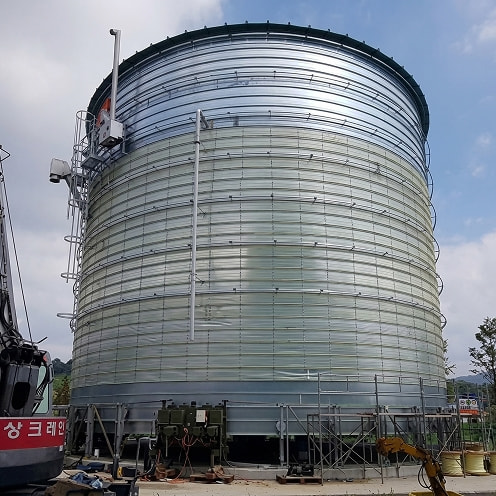
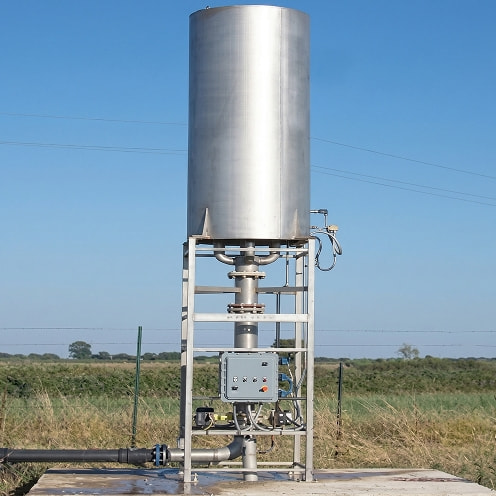
GnCenergy installs digesters designed for advanced biogas plant operations.
Built with a double-folding method to minimize leakage risk,
the digesters feature STS Ti interior materials for exceptional corrosion resistance.
-
Advanced Anaerobic Digester Technology
-
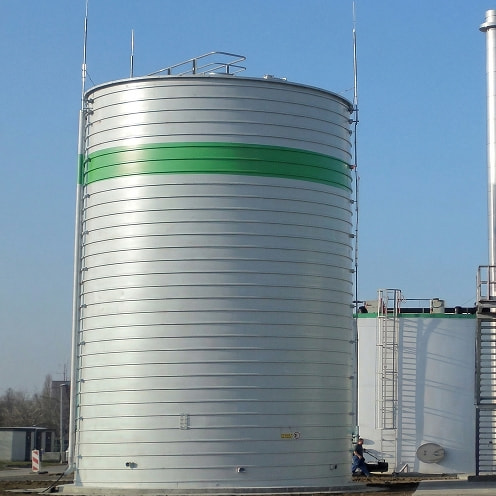
Gas Holder With Maximized Stability
-
Highly Reliable Peripheral Equipment
Sewage Treatment Plant and Sewage Sludge Deduction and Energy Conversion Technology
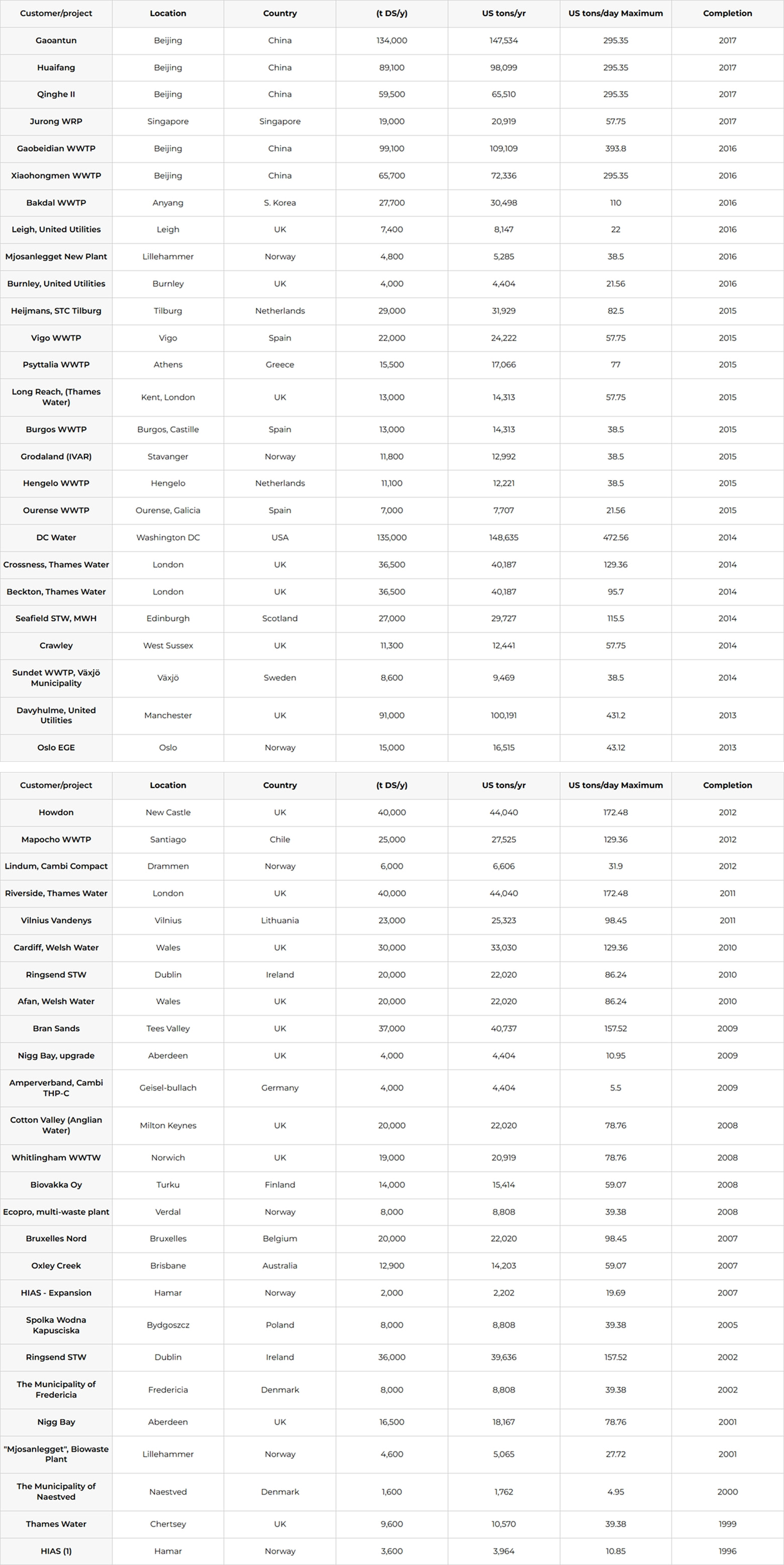
GnCenergy, in collaboration with CAMBI, shares its thermal hydrolysis technology for sewage sludge and organic waste, which is currently operating at 65 sites worldwide.
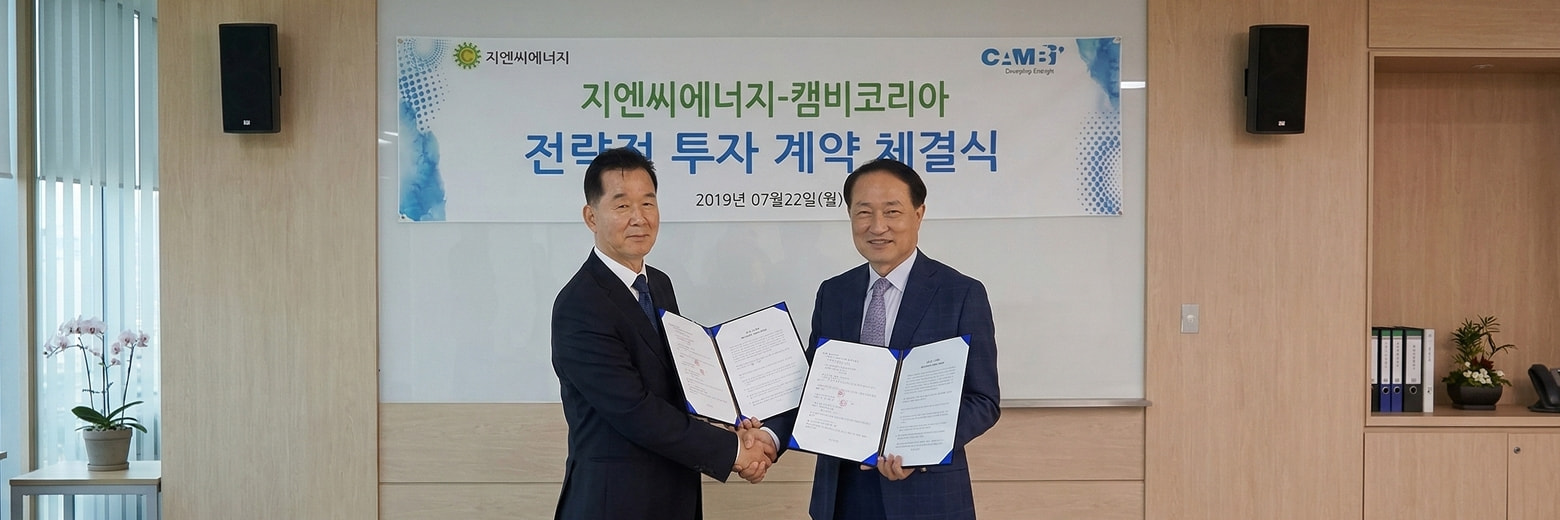
In July 2019, GnCenergy signed a strategic investment agreement with CAMBI Korea and formed a strategic alliance.
CAMBI, a company specializing in the treatment of food waste and sewage sludge, has methods and technologies such as anaerobic hydrant treatment technology,
optimization of digestion and dewatering, reduction of required digestion capacity, and increased biogas production.
In the future, GnCenergy will also be able to jointly implement such technological capabilities.
-
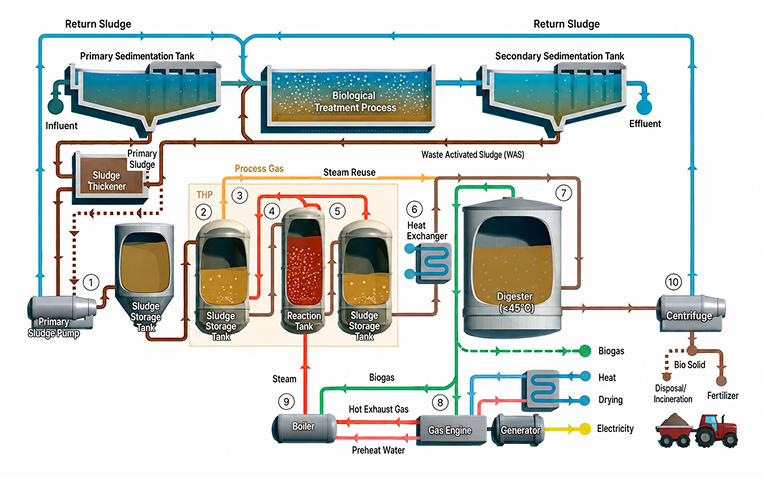
Sewage Sludge Reduction and Biogas Power Generation Process
-
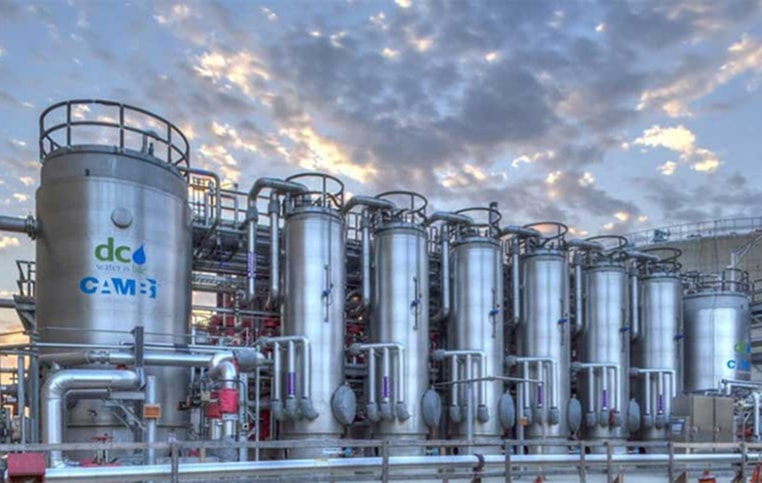
CAMBI Thermal Hydrolysis (THP) Facility
- As of February 2020, 52 sites are in operation and 10 are under construction
- THP: Stands for thermal hydrolysis process, meaning the thermal hydrolysis process
-
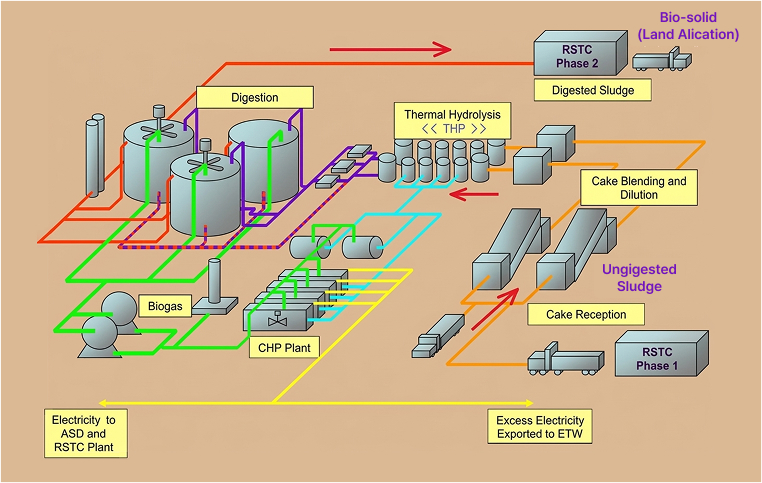
Sewage Sludge Reduction and Biogas Power Generation Process Implemented by GnCenergy and CAMBI
-
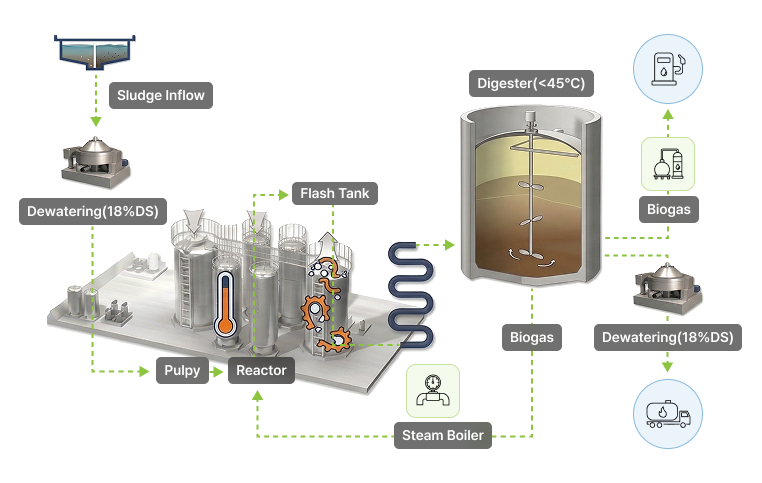
Examples of Construction and Building Models
THP Technology
GnCenergy and CAMBI not only 1st-generation THP (Thermal Hydrolysis Process) technology but also 2nd-generation THP technology.
This advanced technology achieves a sludge reduction rate (based on VSR) of 59~65% as well as technological innovation in sludge dewatering rates up to 45–48%
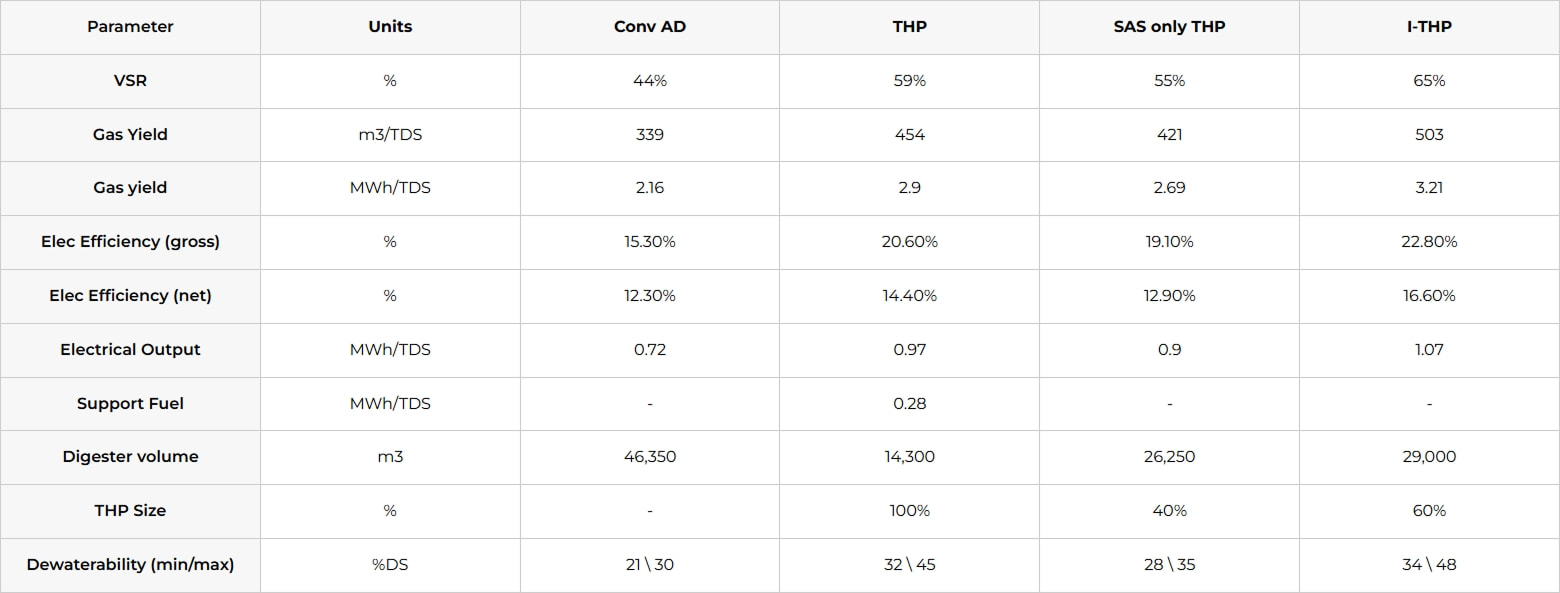
Technical Excellence
The technical excellence of GnCenergy and CAMBI can be demonstrated through improved digestion efficiency, odor reduction and removal, increased biogas production, and a reduction in the final dewatered sludge volume.
-
Improved Digestion Efficiency
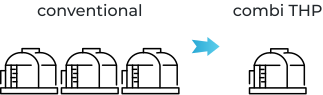
- Increased digestion efficiency through the hydrolysis of cell polymers
at high temperature and pressure - Investment cost: Reduced to 2/3 compared to conventional digesters
- Increased digestion efficiency through the hydrolysis of cell polymers
-
High-efficiency Energy Sealed-type Sterilization
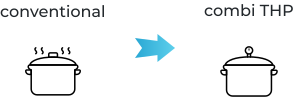
-
Fully sealed thermal hydrolysis
- Major odor-causing substances are captured in the gas compressor
- Pathogens killed by operation at 165 ℃ and 6 Bar or higher
-
Fully sealed thermal hydrolysis
-
Increased Biogas Production
(New and Renewable Energy Source)
- Increased digestion gas production through improved gas decomposition efficiency of cell-bound complexes
- Increased biogas production (over 30%) with high VSR
-
Reduction in Final Dewatered Sludge Volume
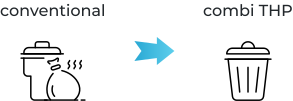
- Increased dewatering rate (30%+ DS)
- Reduction in final cake volume by more than 50%
- Final cake used as a soil conditioner (implemented in the US, Europe, and other regions)
Installed and operated with approximately 87% global market share in Europe, the Americas, Japan, China, and other regions worldwide, demonstrating excellent efficiency and reliability (world-class).
Anyang Bakdal Wastewater Treatment Plant
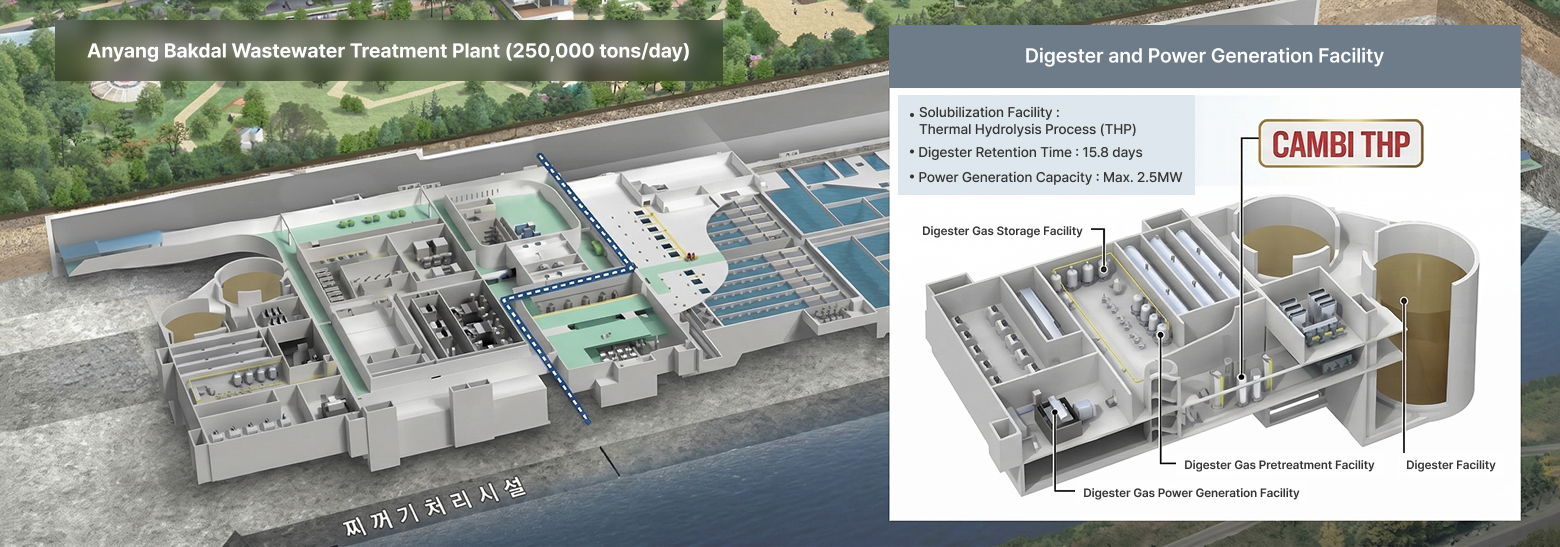
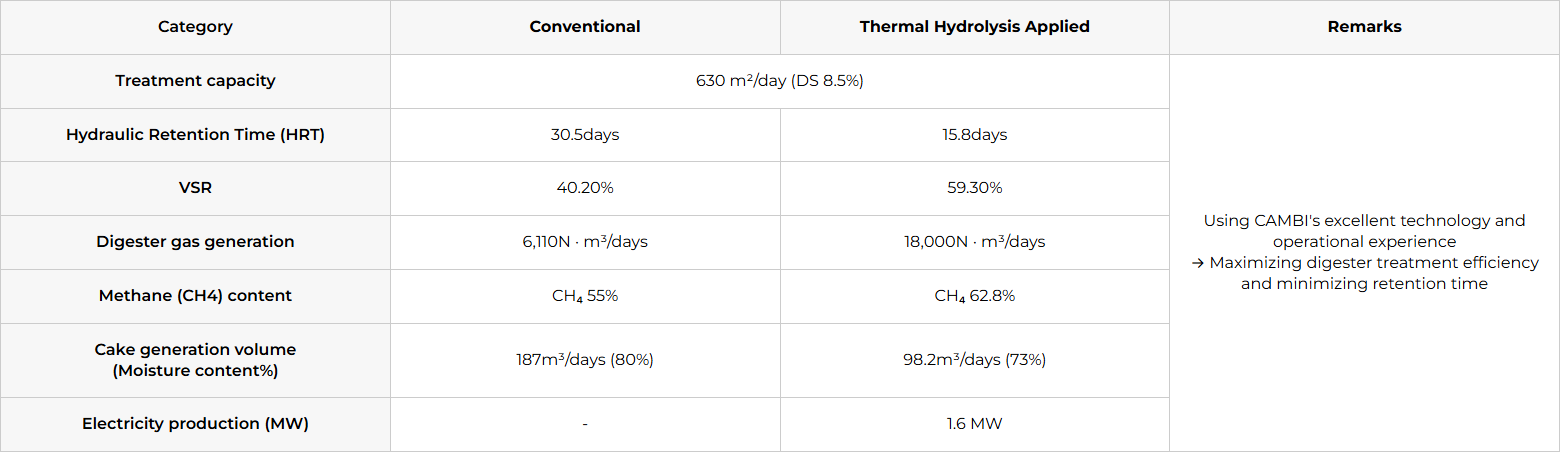
Currently in Korea, CAMBI Thermal Hydrolysis (THP) facilities are currently in operation at the Anyang Bakdal Wastewater treatment plant. Its retention time, VSR reduction rate, and biogas power generation are significantly higher compared to those of other wastewater treatment plants.
Operational Status
As of February 2020, CAMBI has 52 thermal hydrolysis sites in operation worldwide, with an additional 10 sites under construction.